

The Importance of E-E-A-T in Dental SEO Strategies
Oct 30, 2026


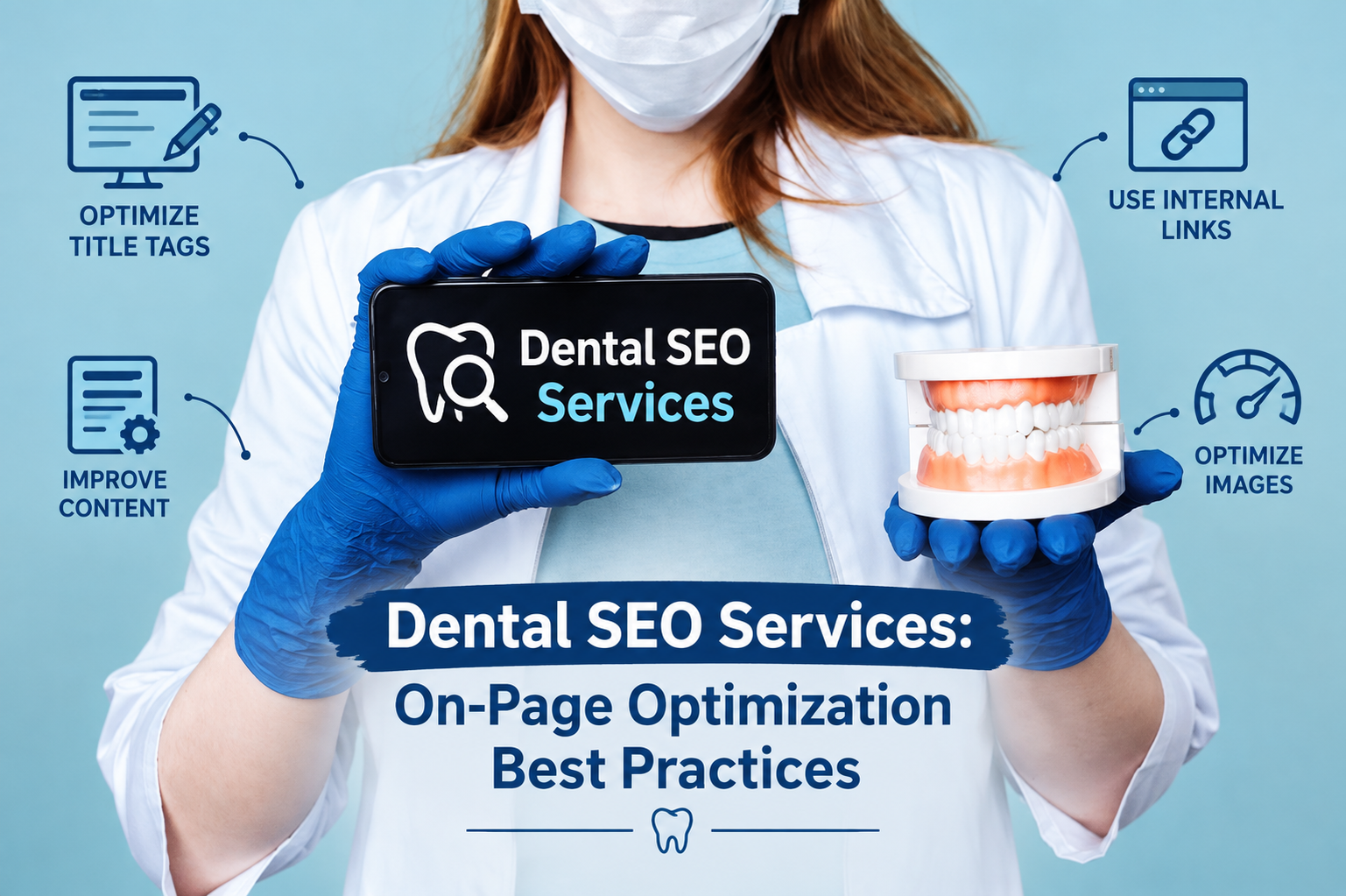
On-page optimization is an essential part of building a successful dental website. It helps search engines understand your content while making it easier for potential patients to find the treatments and information they need. A well-optimized website can improve search visibility, attract relevant visitors, and encourage more people to book dental appointments.
For dental practices looking to grow online, focusing on relevant keywords, helpful content, page structure, and user experience can make a significant difference. By applying proven on-page SEO techniques, dentists can create a website that supports both search engine performance and patient satisfaction.
Page titles and meta descriptions help communicate what each website page offers. A clear, descriptive title can improve relevance in search results and encourage users to visit your website.
Include your primary keyword naturally in the title and keep it specific to the page. For example, a dental implant service page could use a title such as “Dental Implants in [City] | Restore Your Smile.”
Meta descriptions should briefly explain the page’s value. Mention the treatment, highlight an important benefit, and encourage users to learn more. Avoid repeating keywords excessively or writing descriptions that promise results your practice cannot guarantee.
Keyword research helps identify the terms potential patients use when searching for dental services. These may include treatment-specific phrases, location-based searches, and questions about dental procedures.
Effective Dental SEO Services focus on matching keywords to the correct pages rather than placing the same phrases everywhere. For example, a page about teeth whitening should target whitening-related searches instead of competing with a general dentistry page.
Use your primary keyword in the title, main heading, introduction, and relevant sections where appropriate. Include related terms naturally throughout the content to provide context without making the text sound repetitive.
Your website content should answer common patient questions and explain treatments in straightforward language. Visitors want to understand what a procedure involves, who may benefit from it, what preparation is needed, and what they can expect during recovery.
Each service page should provide enough useful information to help readers make informed decisions. Avoid copying descriptions from other dental websites, as original content better reflects your practice’s expertise and approach.
If you need professional support, explore Dental SEO Services to learn how targeted optimization can help improve your dental website’s search performance.
Organized content improves readability and helps search engines understand the relationship between different topics.
Use one clear H1 heading for the main page topic, followed by H2 headings for major sections and H3 headings for supporting subsections when needed.
For example, a root canal service page could include sections covering symptoms, the treatment process, benefits, aftercare, and frequently asked questions.
Keep paragraphs reasonably short and use bullet points when presenting multiple benefits, steps, or recommendations. A clear structure allows visitors to find important information without reading every sentence.
Internal links connect related pages on your website and help visitors discover additional information. They also help search engines understand your website’s structure.
For example, a general dentistry page could link to dedicated pages for dental crowns, preventive care, and tooth extractions. A blog post explaining gum health could link to your periodontal care service page.
Use descriptive anchor text that explains what readers will find after clicking. Avoid vague phrases such as “click here” when a more specific description would be helpful.
Ensure that important service pages are accessible through your navigation and relevant internal links rather than being isolated from the rest of your website.
Images can make a dental website more engaging, but large or poorly optimized files may slow down page loading.
Compress images without sacrificing too much visual quality, use suitable file formats, and provide descriptive alternative text for meaningful images. Alt text should explain the image’s purpose rather than repeat keywords unnecessarily.
Page speed also affects the browsing experience. Optimize image sizes, reduce unnecessary scripts, and use efficient hosting where possible. Make sure your website performs well on mobile devices, as many patients search for dental services using smartphones.
Location relevance is especially important for dental practices serving specific communities. Include your city, service area, and relevant local information naturally on appropriate pages.
For example, a dentist serving a particular neighborhood can mention the areas served and provide accurate contact details. Keep your business name, address, and phone number consistent across your website and relevant business listings.
Avoid creating multiple nearly identical location pages with only the city name changed. Each location page should provide genuinely useful, location-specific information.
Dental care involves important health decisions, so visitors need reasons to trust the information they find. Include accurate details about your qualifications, professional experience, available treatments, and practice policies.
Where appropriate, introduce your dental team, explain your approach to patient care, and provide clear appointment information. Review treatment claims carefully to ensure they are accurate and do not guarantee outcomes.
Strong Dental SEO Services strategies combine technical improvements with credible, informative content that serves patients’ needs.
On-page optimization requires ongoing attention. Review your website regularly to identify outdated information, broken links, missing page titles, and opportunities to improve content.
Use tools such as Google Search Console to monitor search queries, impressions, clicks, and indexing issues. Website analytics can help you understand which pages attract visitors and whether users take meaningful actions, such as submitting appointment forms or calling your practice.
Prioritize improvements based on patient needs and performance data instead of making changes simply to include more keywords. Consistent monitoring helps keep your website useful and competitive.
On-page optimization helps dental practices build websites that are relevant, informative, accessible, and easy to navigate. From improving titles and headings to creating helpful service pages, optimizing images, and strengthening internal links, every improvement contributes to a better user experience.
A consistent Dental SEO Services strategy can support stronger organic visibility and help potential patients discover your practice. Focus on delivering accurate information, addressing patient questions, and making appointment booking straightforward. If you want to improve your website’s performance, contact us to discuss your dental SEO goals.
What is on-page SEO for dental websites?
On-page SEO involves optimizing website elements such as titles, headings, content, images, internal links, and page structure to help search engines understand your pages and improve the visitor experience.
Which keywords should a dental practice target?
Dental practices should target relevant treatment keywords, location-based searches, and common patient questions. Examples include dental implants, teeth whitening, emergency dentist, and dentist in a specific city.
How often should dental service pages be updated?
Review service pages regularly and update them whenever treatment details, pricing information, staff credentials, or practice policies change. Periodic performance reviews can also reveal opportunities to improve clarity and relevance.
Does page speed affect dental SEO?
Yes. Page speed contributes to user experience and is considered in Google’s page experience systems. A fast, mobile-friendly website makes it easier for potential patients to browse services and find appointment information.
How long does on-page SEO take to show results?
Results vary depending on competition, website condition, content quality, and other ranking factors. Some improvements may be reflected relatively quickly, while meaningful organic growth can take several months. Regular monitoring helps evaluate progress.